
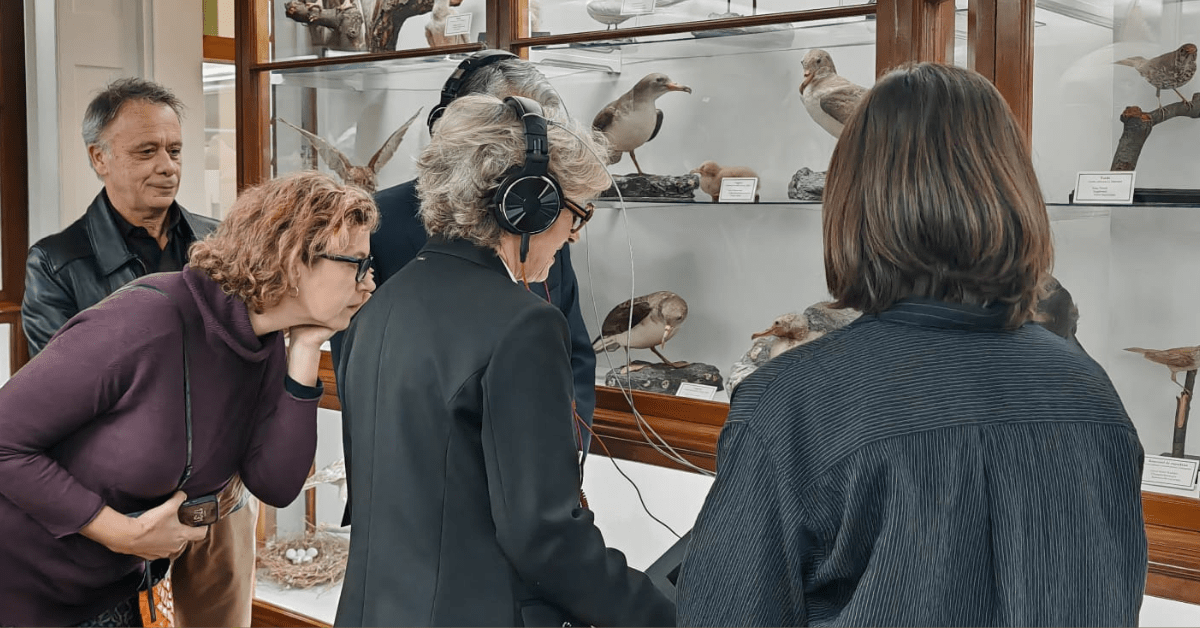
The Natural History Museum of Funchal (MMF) marked a significant milestone in the LoGaCulture project with the official launch of Biotopia, a groundbreaking transmedia installation that reimagines how visitors engage with natural heritage.
Bringing together researchers, museum professionals, and experts in interactive technologies, the launch event showcased not only a new public experience, but also a forward-looking vision for the future of museums in an age of ecological urgency.
From Presentation to Public Experience
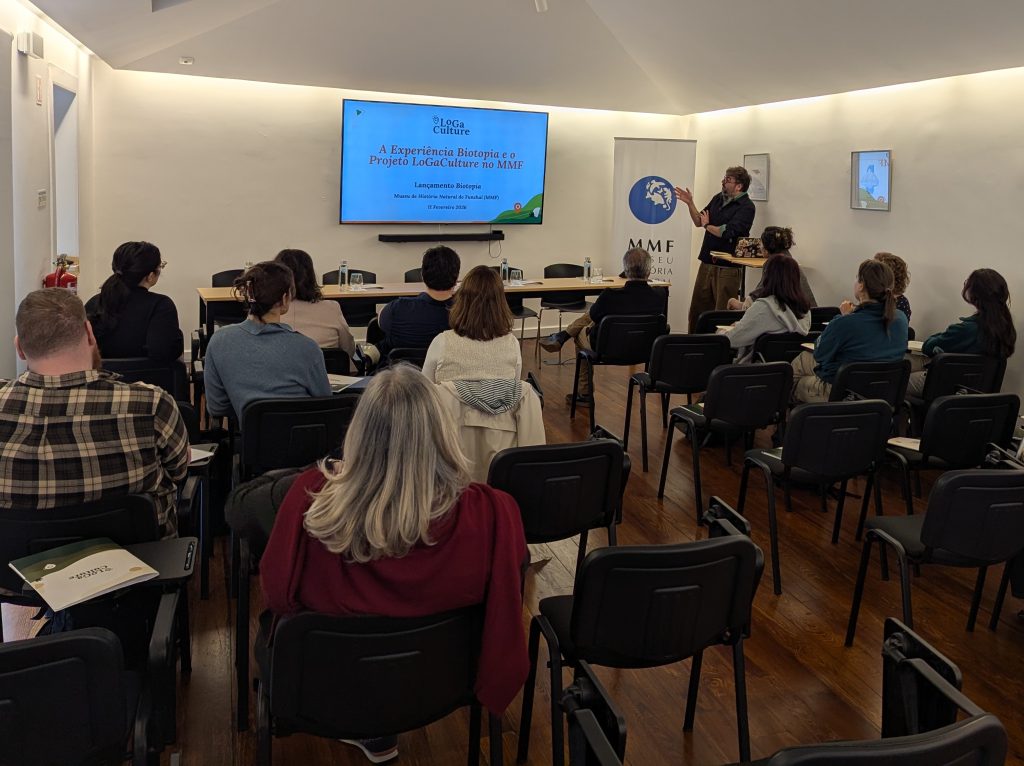
The afternoon began with a presentation titled “The Biotopia Experience and the LoGaCulture Project in the MMF”, introducing audiences to the conceptual and technological foundations of the installation. Hosted in the Museum Annex, the session outlined how Biotopia emerges from LoGaCulture’s broader mission to explore innovative, participatory approaches to cultural and natural heritage.
This was followed by a roundtable discussion, “The Future of Natural Heritage Museum Experiences”, which brought together approximately 20 participants from across academia, cultural heritage organisations, and the interactive technology sector. Rather than a series of formal talks, the session fostered open dialogue on key challenges and opportunities facing museums today.
Central themes included:
- The role of immersive and interactive technologies in reshaping visitor experiences
- Institutional and operational barriers to adopting such innovations
- The potential of digital systems to foster environmental awareness and biodiversity engagement
- Long-term sustainability of interactive installations in museum contexts
What is Biotopia?
Biotopia is a transmedia experience composed of four interconnected technologies, each offering a distinct way of engaging with more-than-human life:
- Critter Chorus – an interactive visual narrative where human and nonhuman perspectives coexist
- RoPPi (Rock, Paper, Pigeon) – a collaborative storytelling board game that invites players to inhabit diverse human and nonhuman roles
- ChatSpecies – AI-driven conversational agents that animate museum specimens through speculative dialogue
- Critter Connect – a wearable device that subtly alerts visitors to nearby ecological presences in outdoor environments
Together, these components create a layered experience that moves across narrative, embodiment, play, and sensory awareness. Rather than positioning technology as a mediator between visitors and nature, Biotopia seeks to reconfigure the relationship itself, encouraging reflection on humans as part of a broader ecological network.
Official Launch: From Research to Real-World Impact
The event culminated in a welcome reception and the official opening of the Biotopia installation. Beginning at the museum entrance, visitors were introduced to the experience before moving through the exhibition space, where they could directly interact with each of the four technologies.
This hands-on engagement marked a key moment: Biotopia is not a prototype confined to research settings, but a public-facing installation that will remain open to visitors under the care of the museum.
The launch event also served as an exploitation symposium, exploring how the results of LoGaCulture can be translated into sustainable, real-world applications.
Among the project’s most valuable outcomes identified were:
- The Biotopia experience itself as a deployable museum installation
- Locative and game-based heritage experiences enabling participatory engagement
- Design frameworks for more-than-human and interactive heritage experiences
- Co-design methodologies bridging research and cultural institutions
- Ethics and policy frameworks addressing sustainability and inclusivity
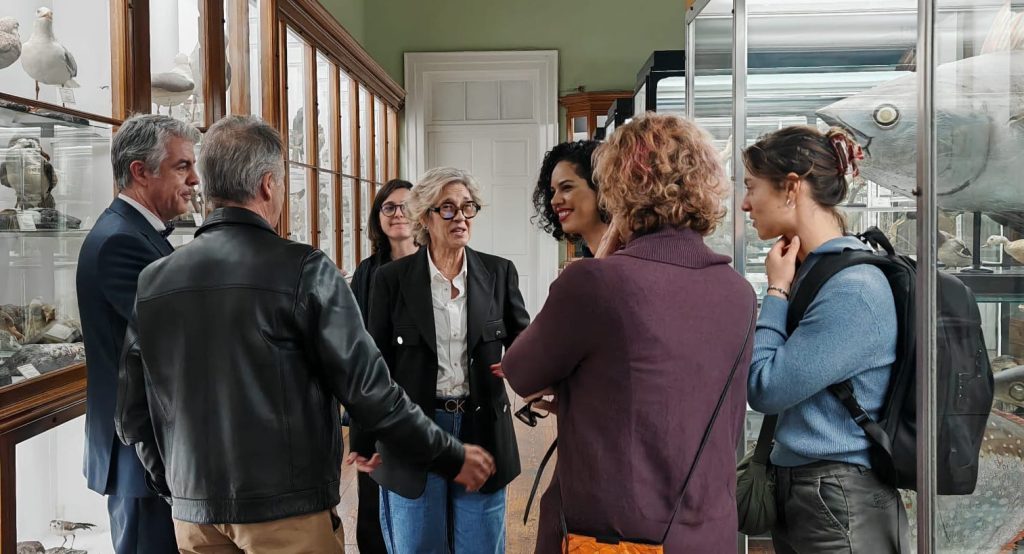
Participants highlighted strong interest from museums, curators, educators, and technology developers in adopting these approaches to:
- Enhance visitor engagement
- Develop new interactive programmes
- Address pressing environmental challenges such as biodiversity loss
Looking Ahead: Pathways for Adoption
Two key pathways for future uptake emerged:
- 1. Integration into Museum Programming: Biotopia components can be adapted into permanent or temporary exhibitions, refined for long-term use and integrated into institutional workflows.
- 2. Development of New Participatory Experiences: Museums can build on LoGaCulture’s frameworks to create new locative, narrative, and immersive experiences connecting audiences with natural heritage both inside and outside museum spaces.
However, discussions also highlighted important challenges, including:
- Limited technical capacity within institutions
- Sustainability of complex digital systems
- Balancing technological innovation with meaningful heritage content
- Ensuring accessibility and inclusivity
Addressing these will require modular design approaches, staff training, and continued collaboration between research and cultural sectors.
A Living Legacy
With Biotopia now open to the public, the Natural History Museum of Funchal becomes a living testbed for the future of more-than-human museum experiences.
Over the coming months, efforts will focus on:
- Refining and stabilising the installation
- Developing documentation and guidelines for broader adoption
- Expanding partnerships with cultural institutions and technology developers
- Exploring new funding opportunities for scaling and replication
As a flagship outcome of LoGaCulture, Biotopia demonstrates how research-driven innovation can move beyond experimentation to create meaningful, lasting impact — inviting visitors not just to learn about nature, but to experience their place within it.