Locative games for cultural heritage
Explore our resources of technologies, design patterns, and games for the next generation of locative experiences.


Featured Resources
Technologies
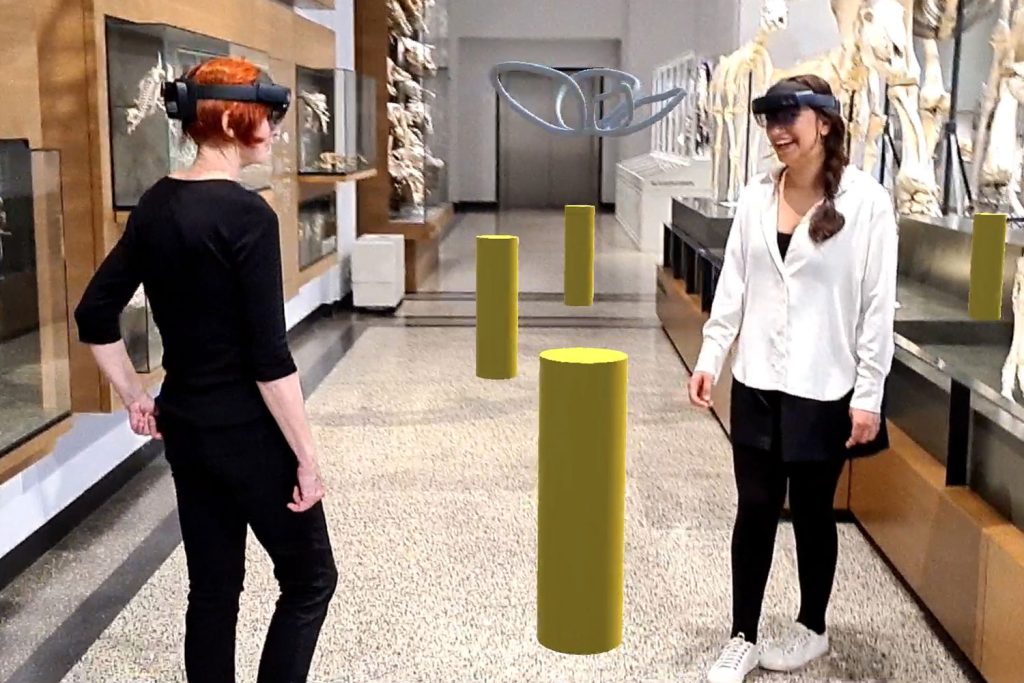
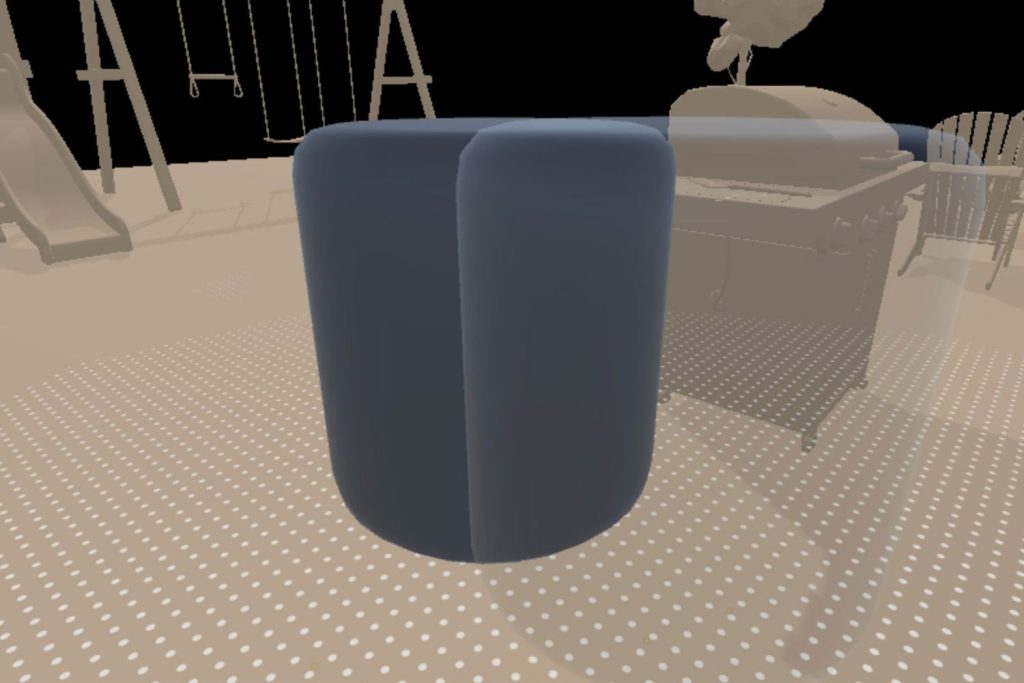
The Open Technology Collection (OTC) brings together the software platforms, tools, and digital resources developed throughout the LoGaCulture project. Created across multiple case studies and in collaboration with cultural partners, this collection includes standalone applications, extensions to existing game development platforms, reusable modules, and cultural probes used during research and development. Designed as a practical toolkit, the Technologies and Software section provides access to shareable assets and technical outcomes that support the creation of locative and cultural games.

RoPPi – Game elements Natureculture Heritage Transmedia Ecology AR Labelling Step-In Circle Fluid Audio Adaptive Locations
Design Patterns
The Design Patterns section documents the recurring challenges, strategies, and solutions identified during the development of LoGaCulture’s locative games. Drawing from real case study experiences, these patterns capture practical design knowledge using a structured framework that outlines problems, tested approaches, and the contextual factors that influence their effectiveness. By sharing these insights, the collection aims to support designers, researchers, and cultural practitioners in applying proven methods and adapting them to new creative and technological contexts.
Games
The Games section brings together the locative games developed throughout the LoGaCulture project, reflecting the interdisciplinary collaboration between academic institutions, cultural organisations, and industry partners. Developed across multiple case studies and heritage sites, these games document the evolving approaches to place-based storytelling, player engagement, and cultural mediation emerging from the project’s research and design activities. Together, they provide a comprehensive overview of the project’s creative outputs, offering valuable resources for researchers, practitioners, and anyone interested in locative games, cultural heritage, and interactive digital experiences.
LUTE Framework The Ludonarrative Engine RoPPi – Online version Critter Connect
-
On Location
What is On Location? On Location is a cooperative-with-a-twist ethics board game where players team up to design a cutting-edge mixed-reality experience for a cultural…
-
ChatSpecies
What is ChatSpecies? ChatSpecies is an AI-powered chatbot designed to foster deeper connections between humans and biodiversity through a species-first perspective. By leveraging playful and…
-
LUTE: Server
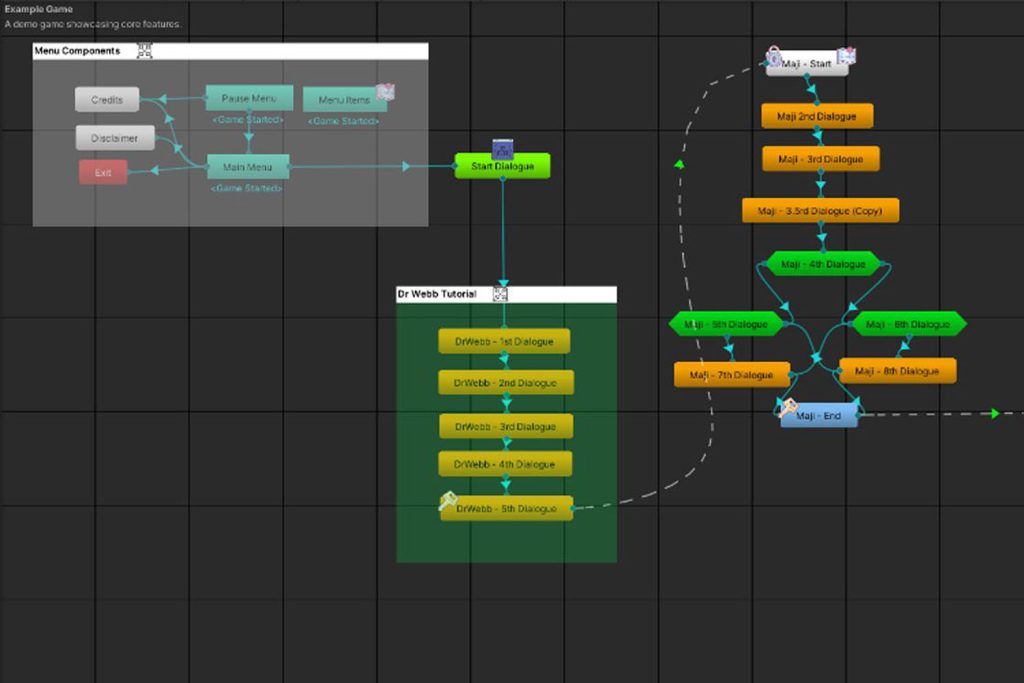
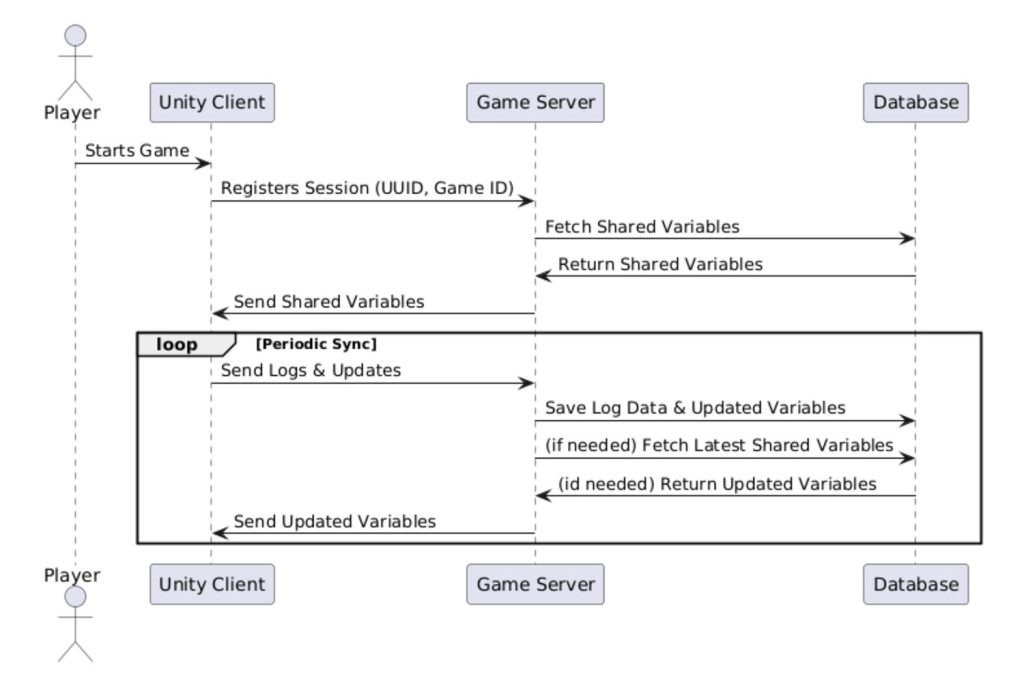
What is the LUTE Server? The LUTE Engine allows mixed reality games to be created easily within the Unity environment. It is a powerful flow…
-
LUTE: Ludonarrative Modules
What are the LUTE Ludonarrative Modules? The LoGaCulture Unity Toolkit/Engine (LUTE), is a modular framework for creating locative games and available fully open source (MIT…
-
LUTE: AR Component
What is the LUTE AR Component? The LUTE AR Component includes a number of Augmented Reality (AR) orders that can be used to make the…
-
LUTE: Media Components
What are the LUTE Media Components? LUTE handles media by following the same process as the majority of Orders (where Orders are individual aspects of…
-
The Ludonarrative Engine
What is Ludonarrative Engine? The ludonarrative engine implements patterns generally useful for story-driven locative cultural heritage (CH) games. Through our research in D5.1 and D5.2,…
-
TransferAR
Why TransferAR? AR experiences in Cultural Heritage contexts are often location-based, which means they are linked to specific geographical locations, rooms or exhibits. This locative…
-
Creature Chorus
What is the “Creature Chorus”? “Creature Chorus” is an interactive digital narrative experience designed to bring awareness to the intricate relationships between humans and non-humans….
-
Rock, Paper, Pigeon (RoPPi)
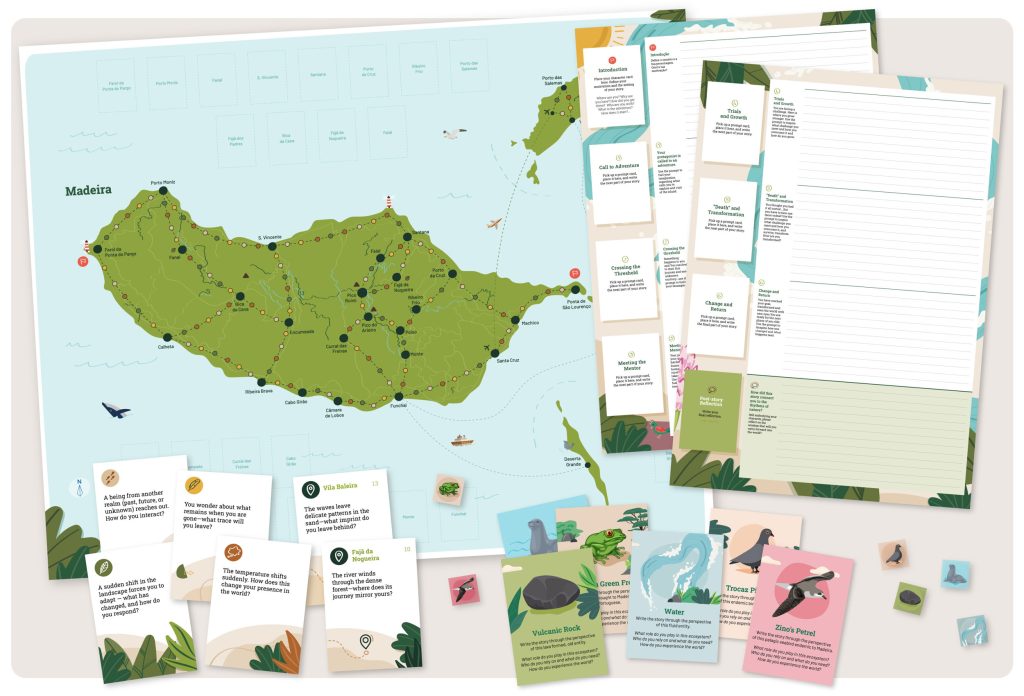
What is RoPPi? Rock, Paper, Pigeon (RoPPi) is a Natureculture Heritage (NCH) Game, evolving from a board game to a future digital platform, that fosters…
-
Critter Connect
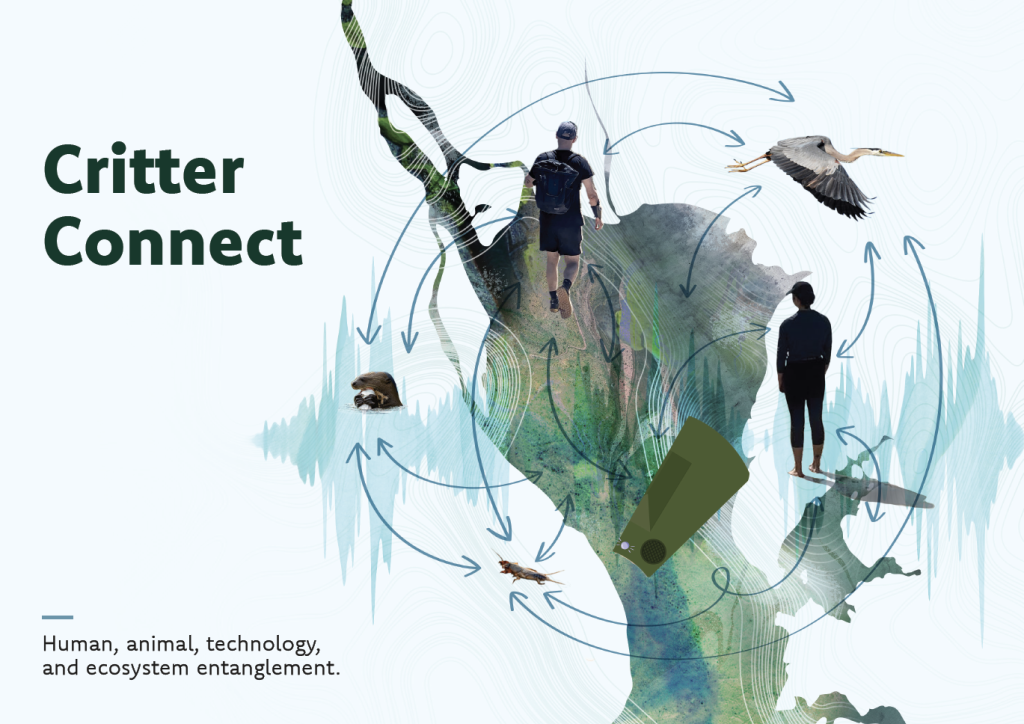
What is the Critter Connect? Critter Connect is a wearable device that fosters the emergence of multispecies relationships anchored in specific ecosystems through geolocation and sensory…
-
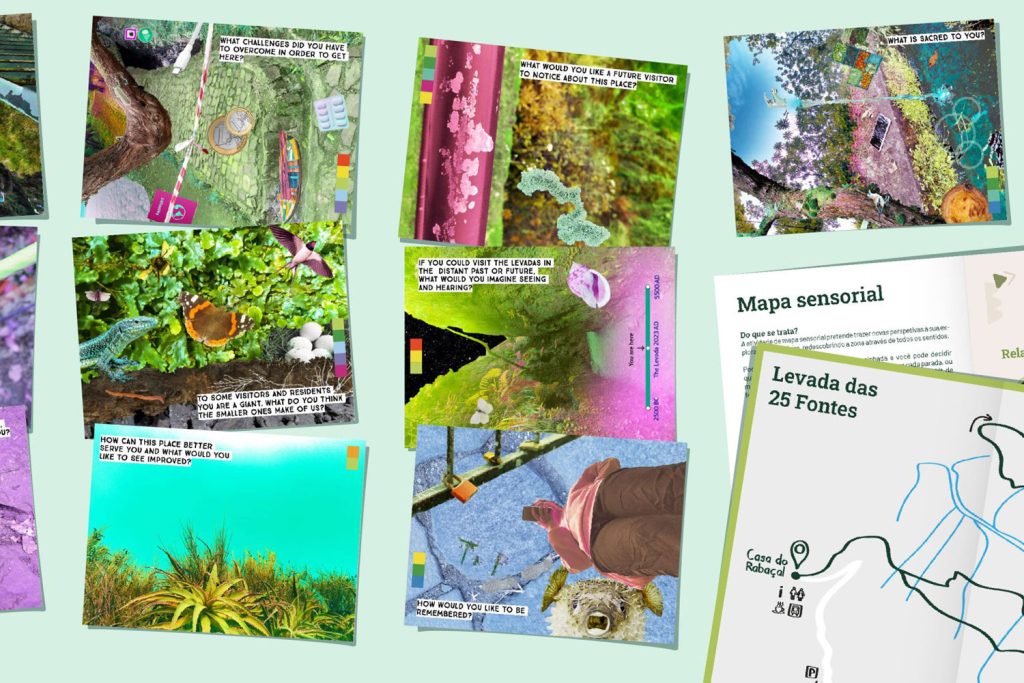
NatureCulture Probes
What are the NatureCulture Probes? The NatureCulture Probes are bespoke tools composed of a set of postcards – the Postcard Probes – and a sensory…




-
Directional Audio Navigation Cues
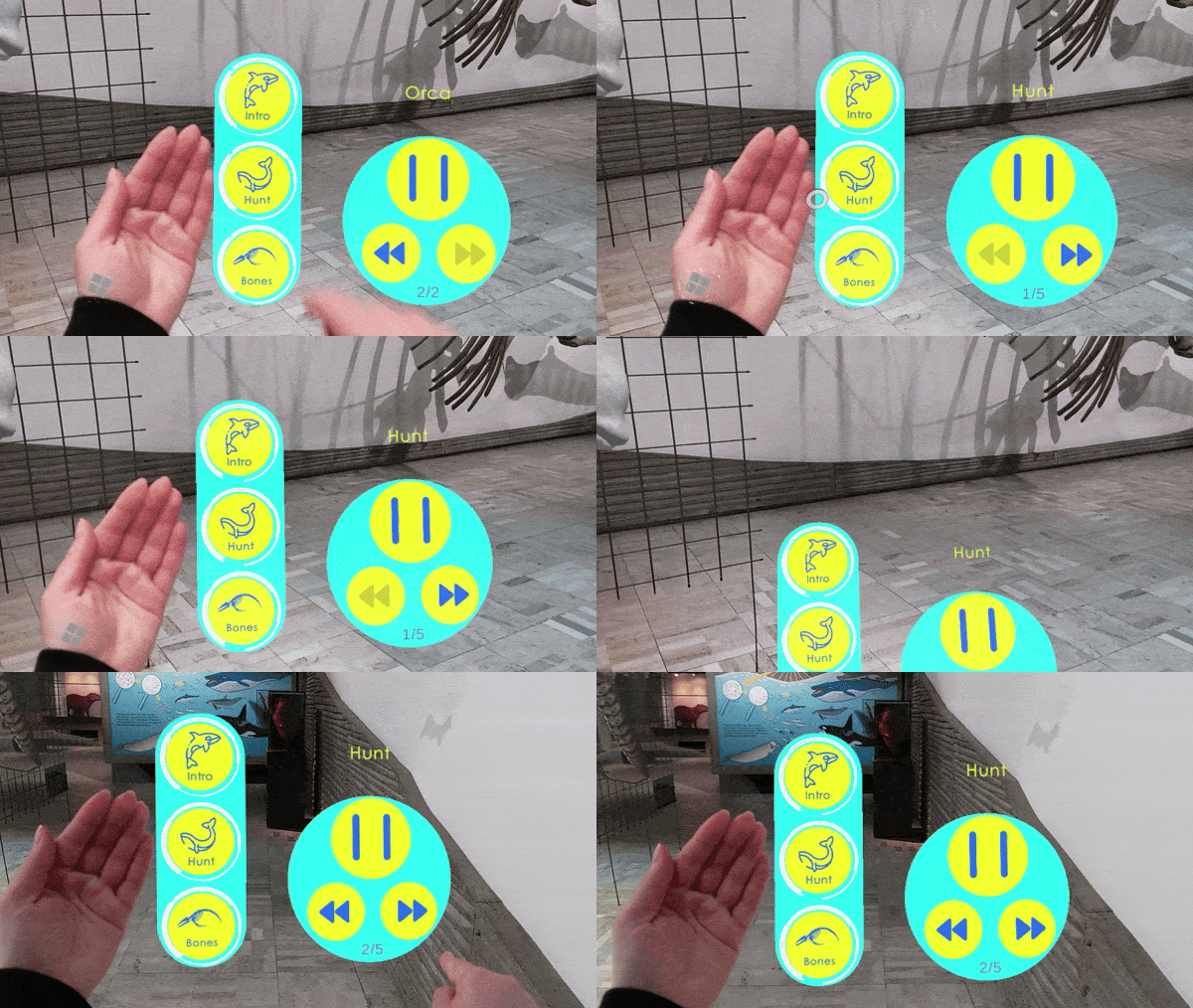
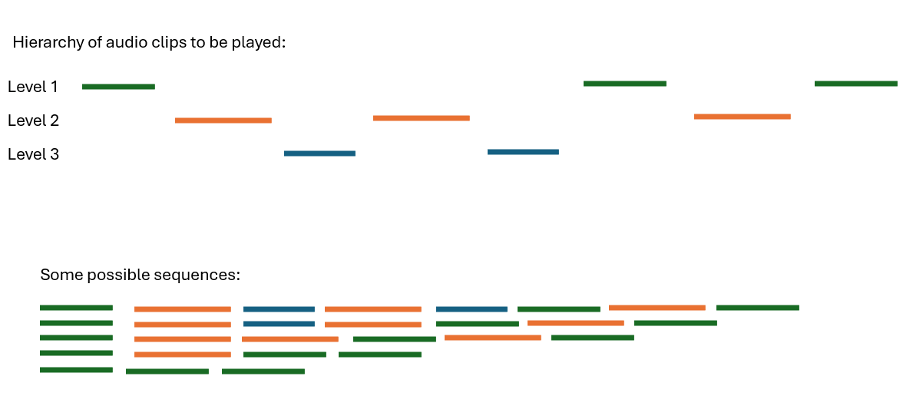
1. Overview Pattern Level: Sub-pattern of Audio-First Dual-Mode NavigationPrimary Phase: GuidingOne-line Summary: A navigation mechanism that plays periodic spatially positioned musical cues derived from each…
-
Character-Triggered Layer Transition
1. Overview Pattern Level: High-levelPrimary Phase: Cross-phaseOne-line Summary: A layer switching mechanism that transitions the player to a different content layer when they complete an…
-
Orientation-Based Combat
1. Overview Pattern Level: High-level Primary Phase: PresentingOne-line Summary: A challenge mechanic that uses head orientation tracking to let players evade spatially positioned threats, turning the…
-
Head-Directed Target Locking
1. Overview Pattern Level: Sub-pattern of Audio-First Dual-Mode NavigationPrimary Phase: GuidingOne-line Summary: A target selection mechanism that locks onto a navigation target when the player…
-
Progressive Proximity Audio Zones
1. Overview Pattern Level: Sub-pattern of Audio-First Dual-Mode NavigationPrimary Phase: PresentingOne-line Summary: A zone-based audio system that transitions players from silence through character music to…
-
Audio-First Dual-Mode Navigation
1. Overview Pattern Level: High-levelPrimary Phase: Cross-phaseOne-line Summary: A navigation system that automatically separates exploration and content delivery into two distinct modes, preventing navigation audio…
-
Board-Structured Speculative Storytelling
1. Overview Name Intent To support engaging, inclusive, and reflective heritage experiences by combining the social and procedural qualities of board games — such as…
-
Natureculture Heritage Transmedia Ecology
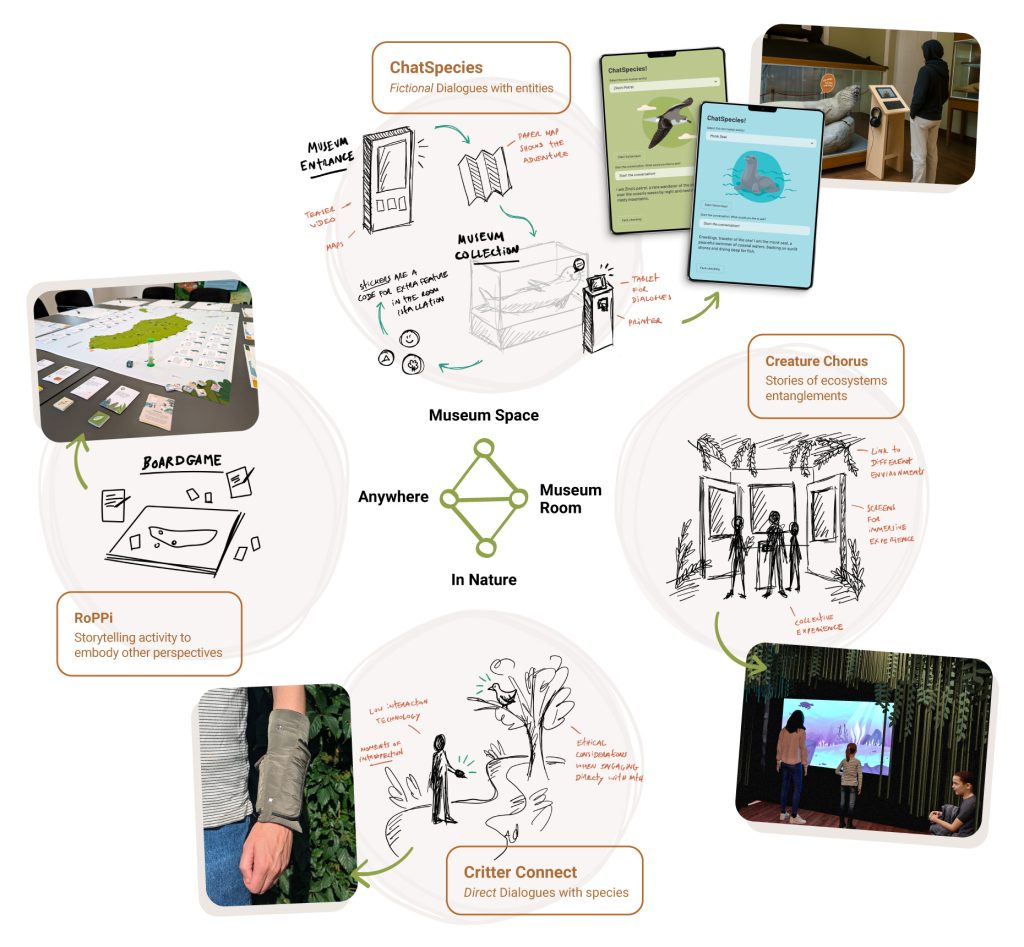
1. Overview Name Intent To design natureculture heritage experiences that extend beyond the museum as a bounded space, configuring it as a central hub within…
-
Relational Interactivity in Museums
1. Overview Name Intent To design digital heritage experiences that treat interactivity not as a private exchange between one visitor and one system, but as…
-
AR Exhibit Feature Drawing
1. Overview An interactive sketch tool that lets visitors highlight or trace exhibit features. Name Intent Invite visitors to co-create and explore speculative or contested…
-
AR Exhibit Reassembler
1. Overview A puzzle-like interaction where visitors reassemble an exhibit in AR. Name Intent Enable visitors to virtually reconstruct missing artifact components through an interactive…
-
AR Labelling
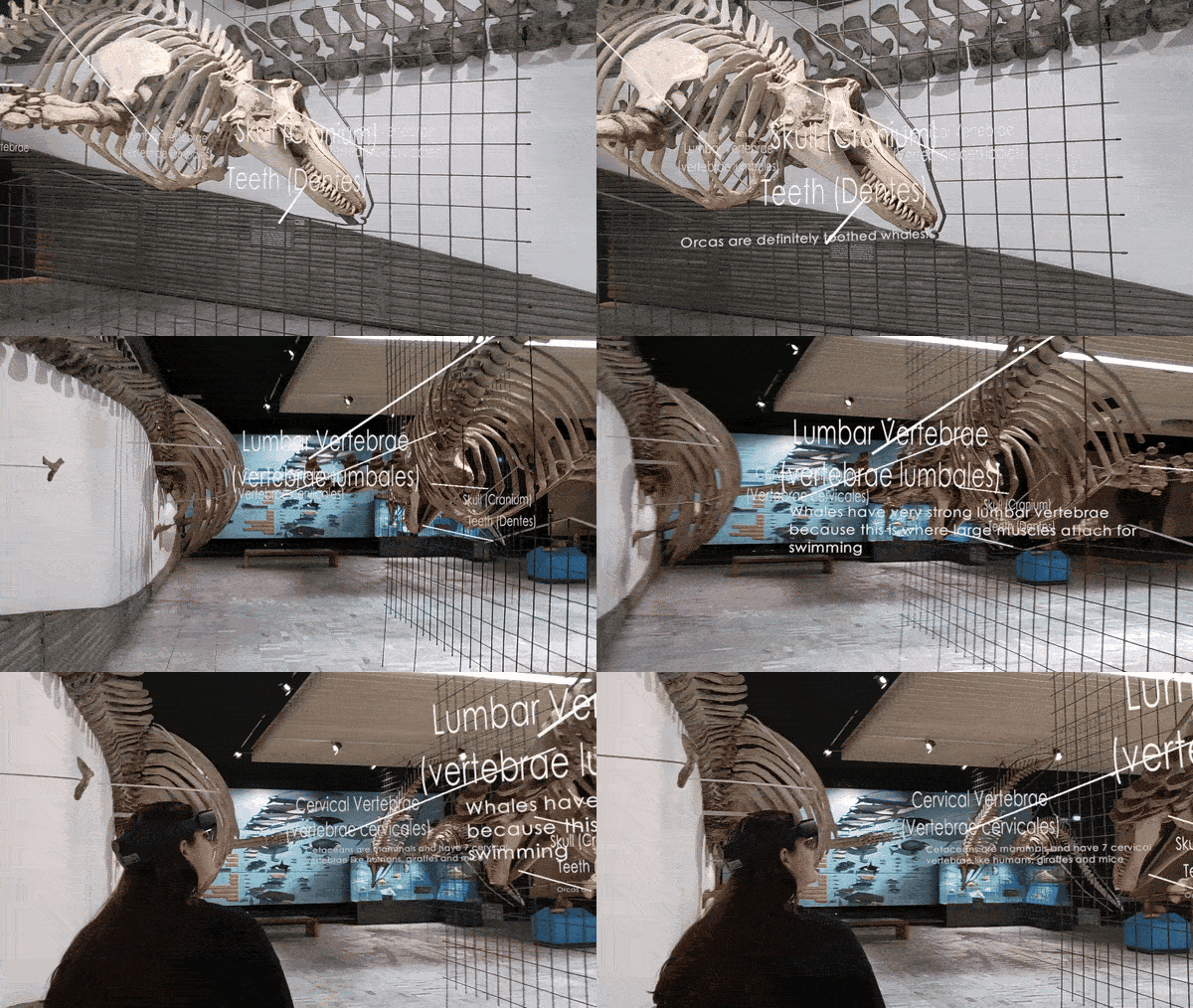
1. Overview A system of markers or text that identifies different parts of an exhibit. Name Intent Help visitors identify and learn about individual parts…


-
On Location
What is On Location? On Location is a cooperative-with-a-twist ethics board game where players team up to design a cutting-edge mixed-reality experience for a cultural…
-
ChatSpecies
What is ChatSpecies? ChatSpecies is an AI-powered chatbot designed to foster deeper connections between humans and biodiversity through a species-first perspective. By leveraging playful and…
-
LUTE: Server
What is the LUTE Server? The LUTE Engine allows mixed reality games to be created easily within the Unity environment. It is a powerful flow…
-
LUTE: Ludonarrative Modules
What are the LUTE Ludonarrative Modules? The LoGaCulture Unity Toolkit/Engine (LUTE), is a modular framework for creating locative games and available fully open source (MIT…
-
LUTE: AR Component
What is the LUTE AR Component? The LUTE AR Component includes a number of Augmented Reality (AR) orders that can be used to make the…
-
LUTE: Media Components
What are the LUTE Media Components? LUTE handles media by following the same process as the majority of Orders (where Orders are individual aspects of…
-
The Ludonarrative Engine
What is Ludonarrative Engine? The ludonarrative engine implements patterns generally useful for story-driven locative cultural heritage (CH) games. Through our research in D5.1 and D5.2,…
-
Creature Chorus
What is the “Creature Chorus”? “Creature Chorus” is an interactive digital narrative experience designed to bring awareness to the intricate relationships between humans and non-humans….
-
Rock, Paper, Pigeon (RoPPi)
What is RoPPi? Rock, Paper, Pigeon (RoPPi) is a Natureculture Heritage (NCH) Game, evolving from a board game to a future digital platform, that fosters…
-
LUTE: Authoring Tool
What is the LUTE Authoring Tool? The LoGaCulture Unity Toolkit/Engine (LUTE), as a technology framework for creating mixed reality games, includes a range of tools…
-
LUTE
What is LUTE? The LoGaCulture Unity Toolkit/Engine (LUTE) is a technology framework developed by Bournemouth University and University of Southampton as part of the LoGaCulture…


Case Studies

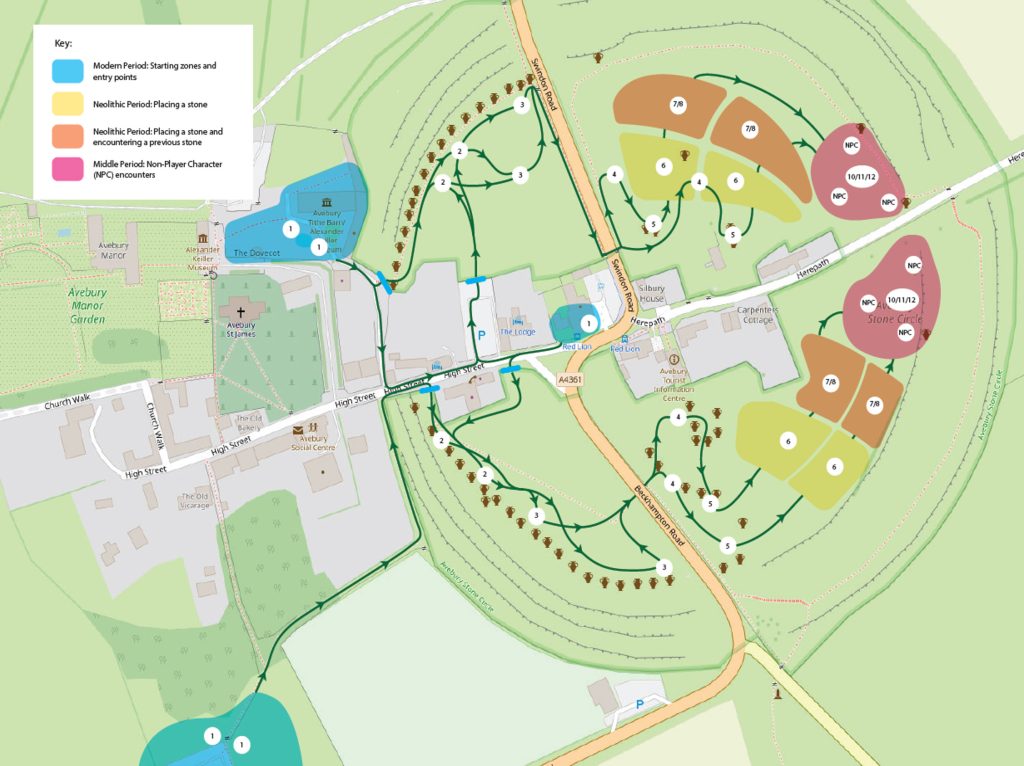
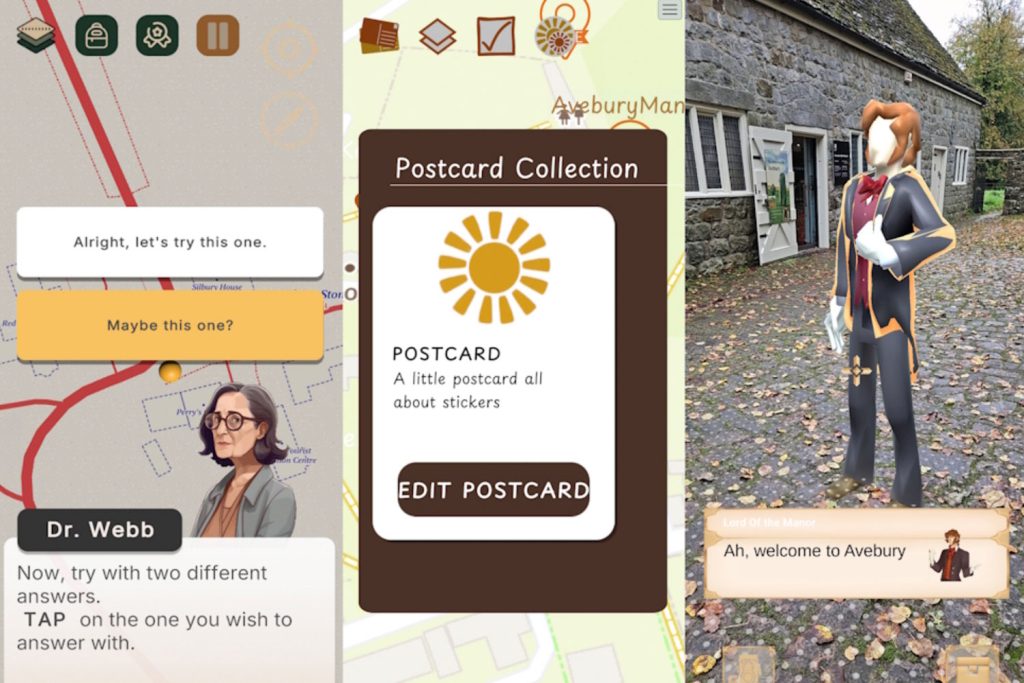
The Avebury Narrative Landscape, UK

The Avebury Stone Circle, UK

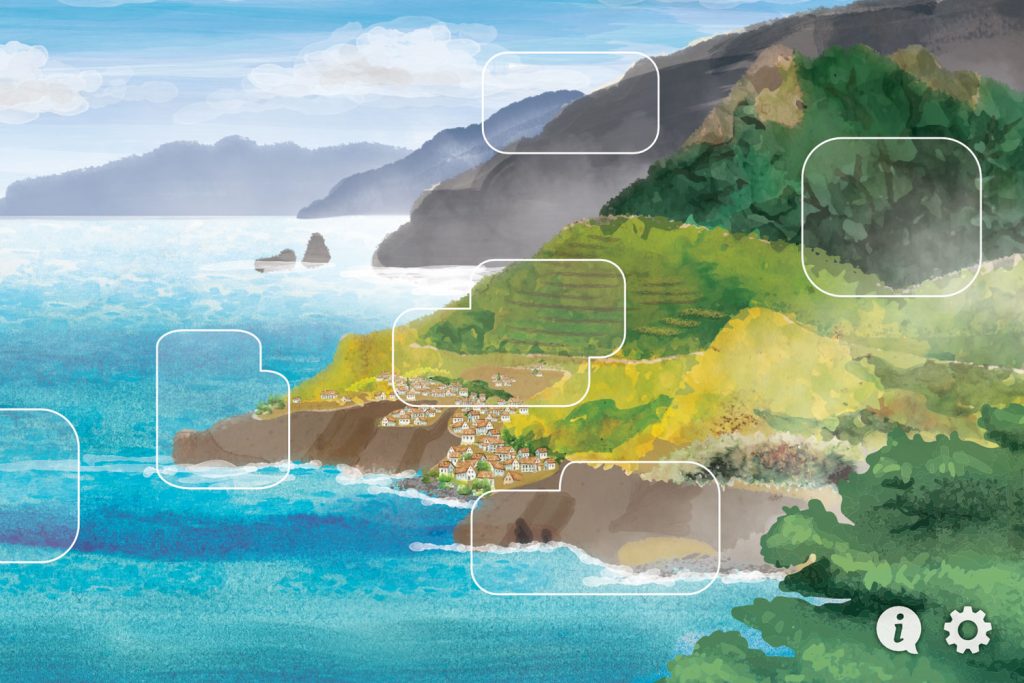
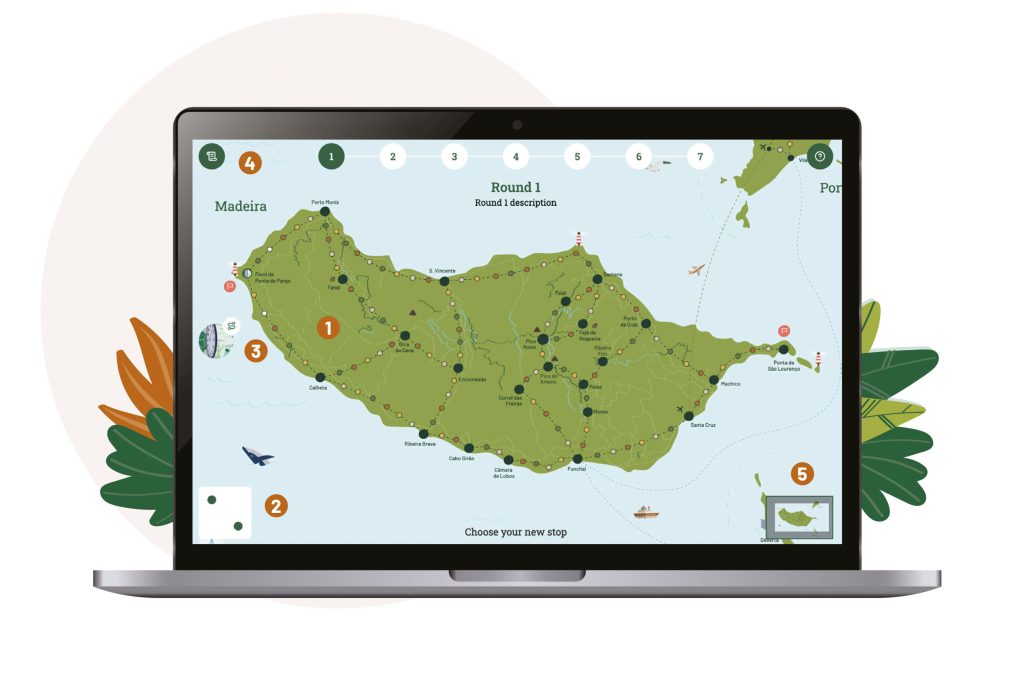
The Island of Madeira, Portugal

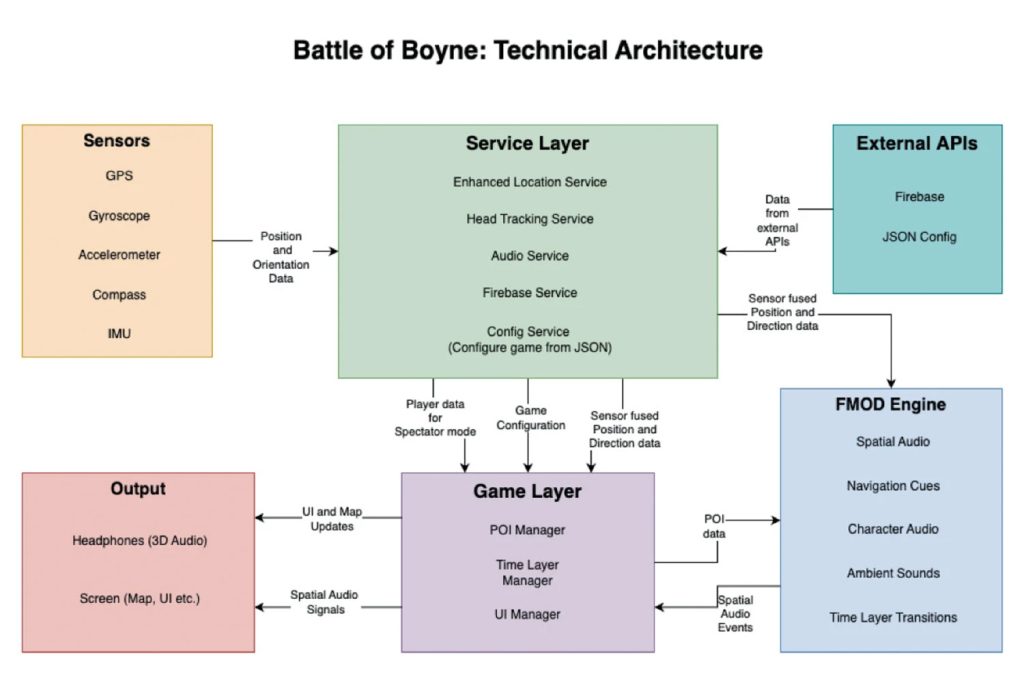
The Battle of the Boyne & The Hill of Tara, Ireland

The Senckenberg “Museum for Tomorrow”, Germany
About the project
LoGaCulture brings together the European academic leaders in digital locative experiences to explore how a new generation of innovative locative games might benefit European society through its cultural heritage sites.
Locative Games are in the process of entering the mainstream. Typically, they are applications or websites accessed on a location-aware smartphone with content and interactions that are triggered by locations. Thus, the experience is one of mixed reality, combining both elements of the digital and of the real place.
Currently, locative cultural heritage games and experiences take the form of digital tours, narrative games, locative literature, or interactive puzzles at cultural heritage sites, and enable visitors to see places ‘with new eyes’, revealing hidden aspects and creating new types of interaction. This has resulted in a great deal of experimentation. Unfortunately, design knowledge for locative games is spread thinly through a vast body of literature. In addition, the experimental nature of these systems means there is less focus on sustainable deployments, with many having a limited lifespan, highlighting a lack of understanding about how they could be deployed for the longer term in real cultural heritage locations, supported by existing heritage staff and structures.
Partners


News and Events
-
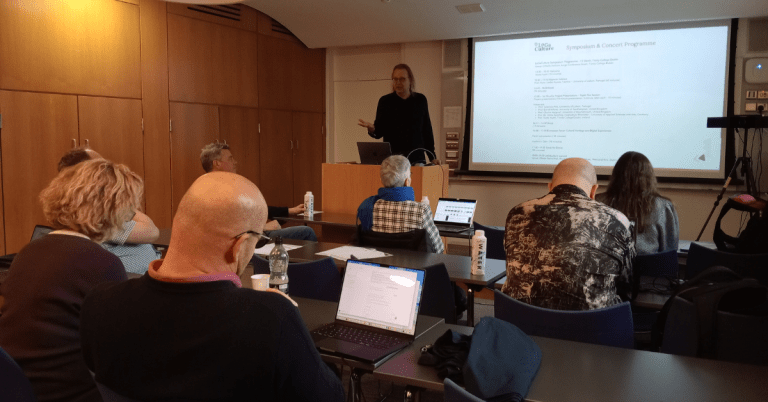
LoGaCulture Closing Symposium 2026: Bringing Locative Cultural Heritage Games to the Masses
On 12 March 2026, the LoGaCulture project marked a major milestone with its Closing Symposium, hosted at the O’Reilly Institute…
-
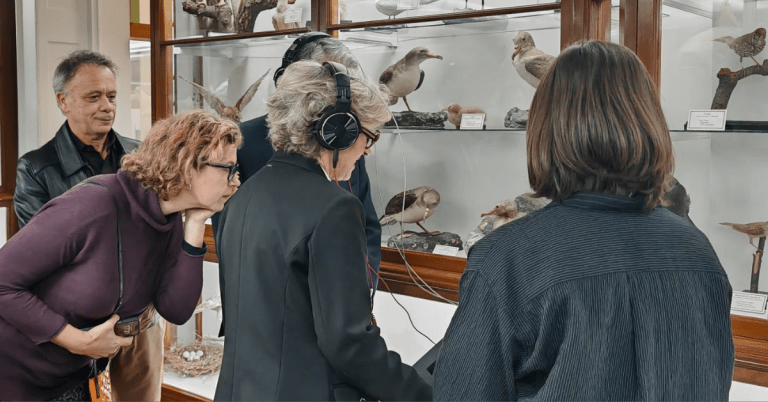
Biotopia Launches at the Natural History Museum of Funchal: A New Chapter for More-than-Human Museum Experiences
The Natural History Museum of Funchal (MMF) marked a significant milestone in the LoGaCulture project with the official launch of…
-
Rethinking Locative Storytelling: From Fixed Places to Responsive Narratives
A recent paper presented at the 36th ACM Conference on Hypertext and Social Media (HT Adjunct 2025) explores a new direction…